
Spill Kits
(35 Article)Leaks and spills happen, and when they involve hazardous materials, they can cause serious harm to people, property, and the environment. Being prepared for these situations is crucial. This guide will explore everything you need to know about spill kits, from what they are, why you need them, the different types available, and how to choose the right one for your business. With the suitable DENIOS spill kit and knowledge, you can quickly and effectively respond to any spill, minimizing damage and keeping everyone safe.
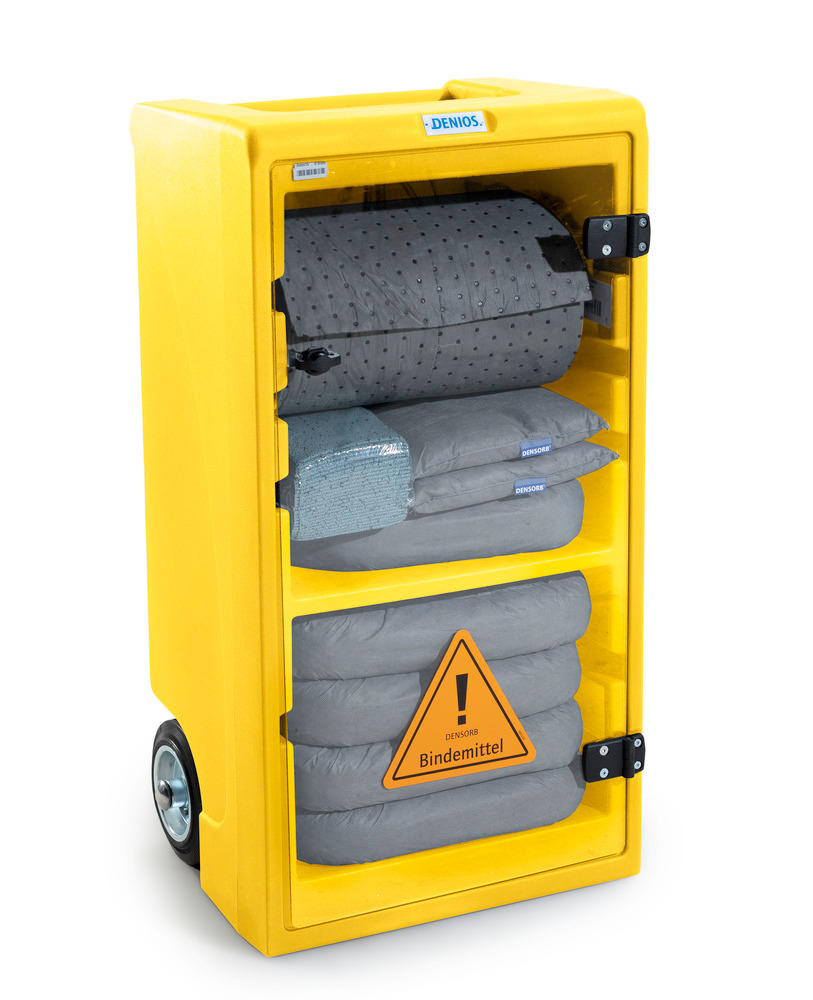
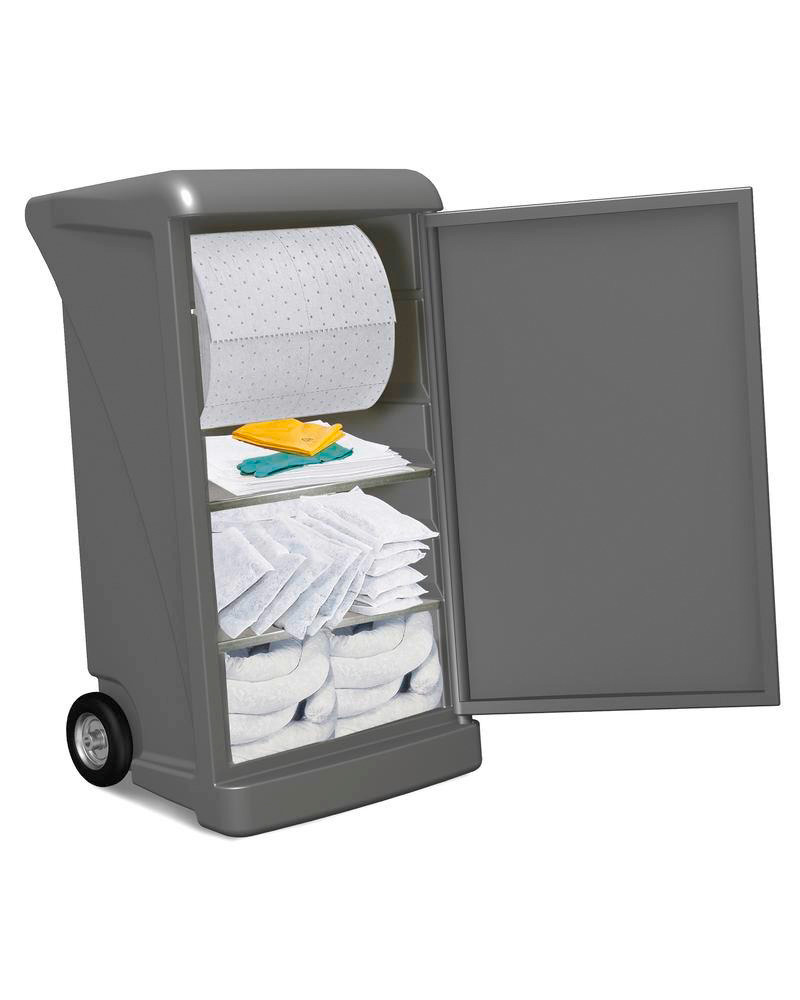
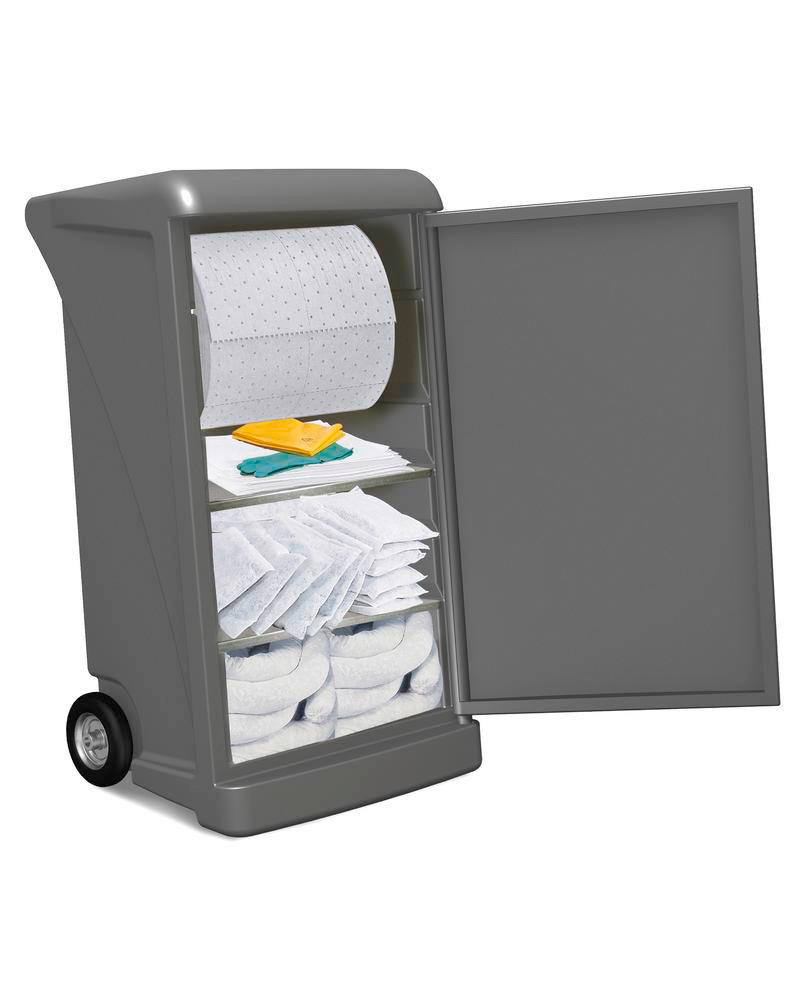
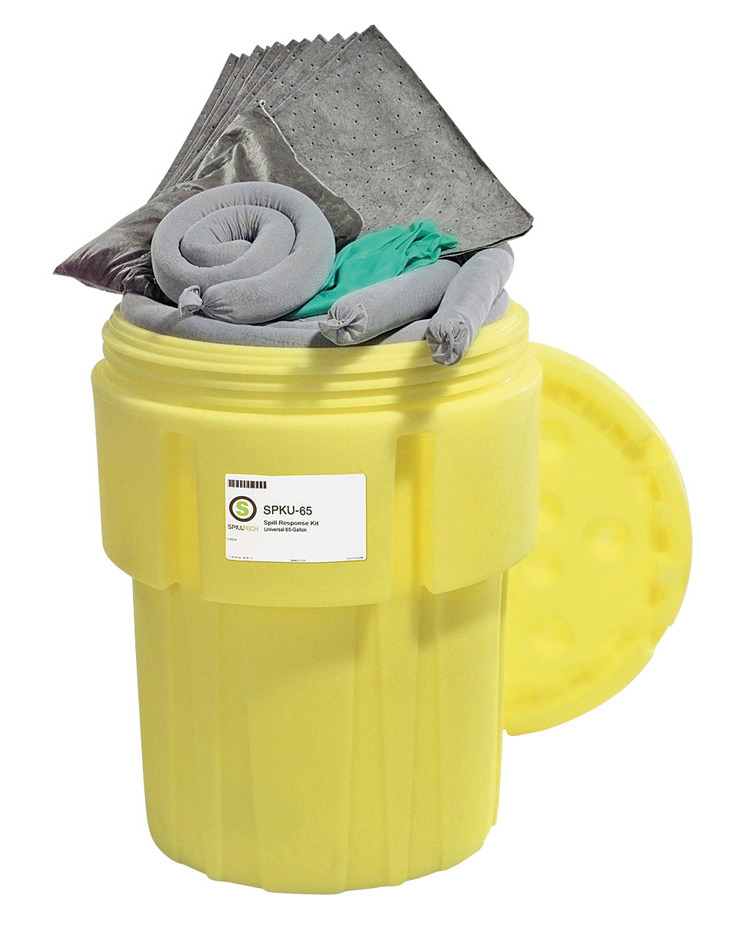
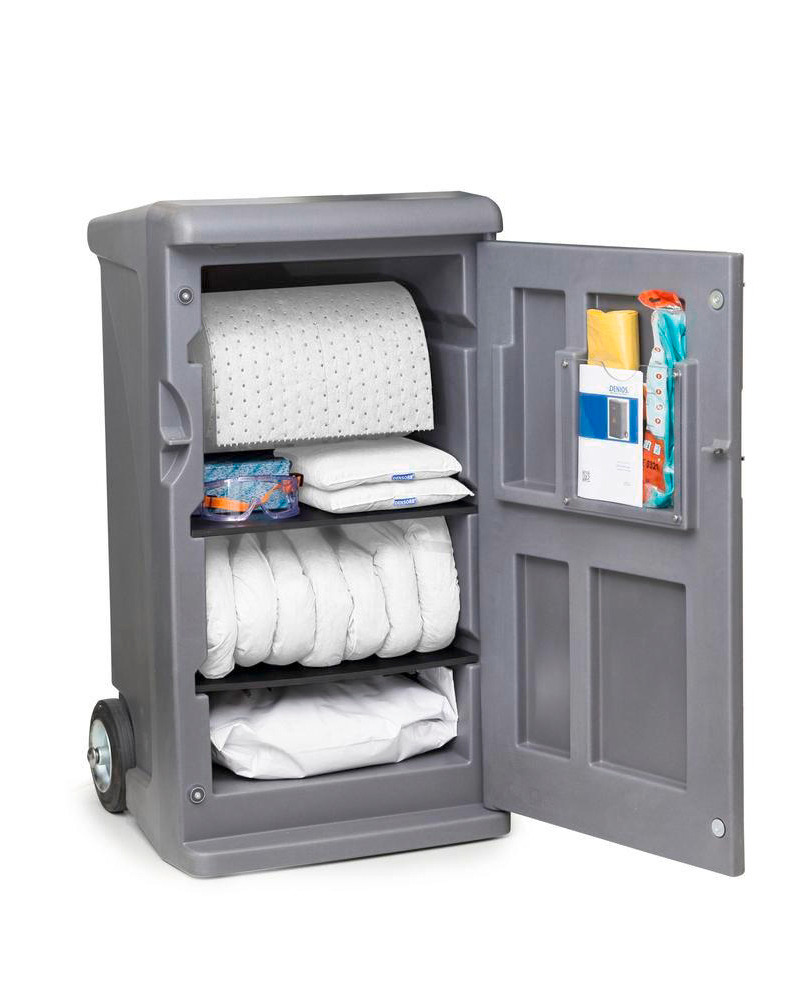
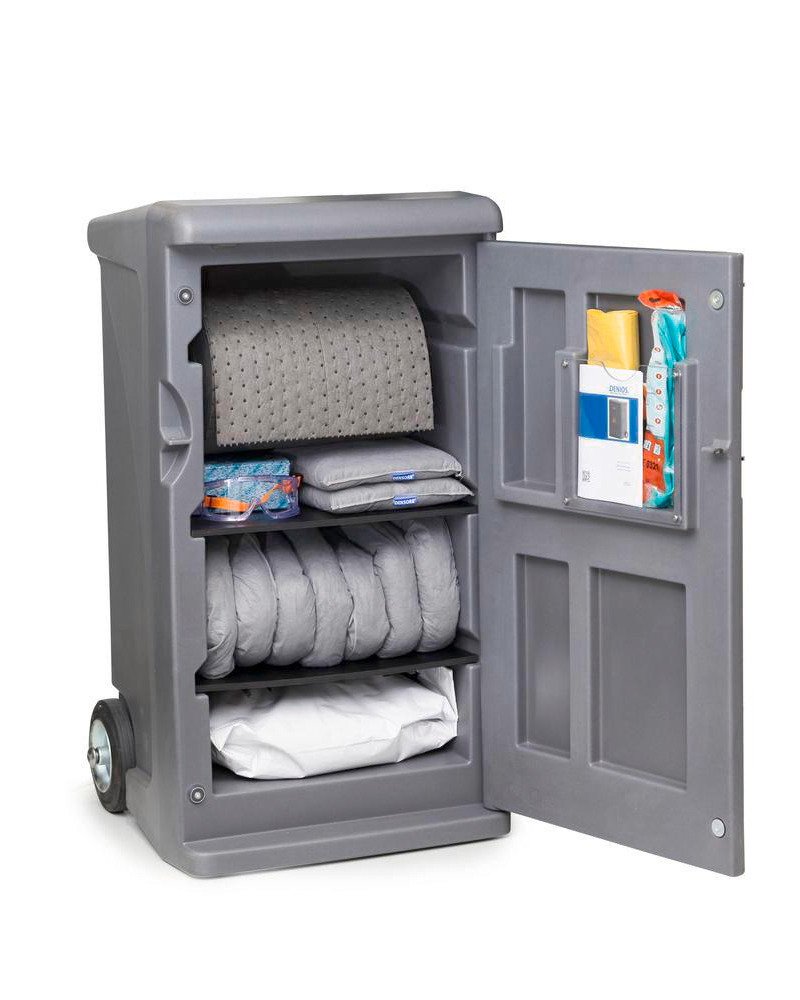
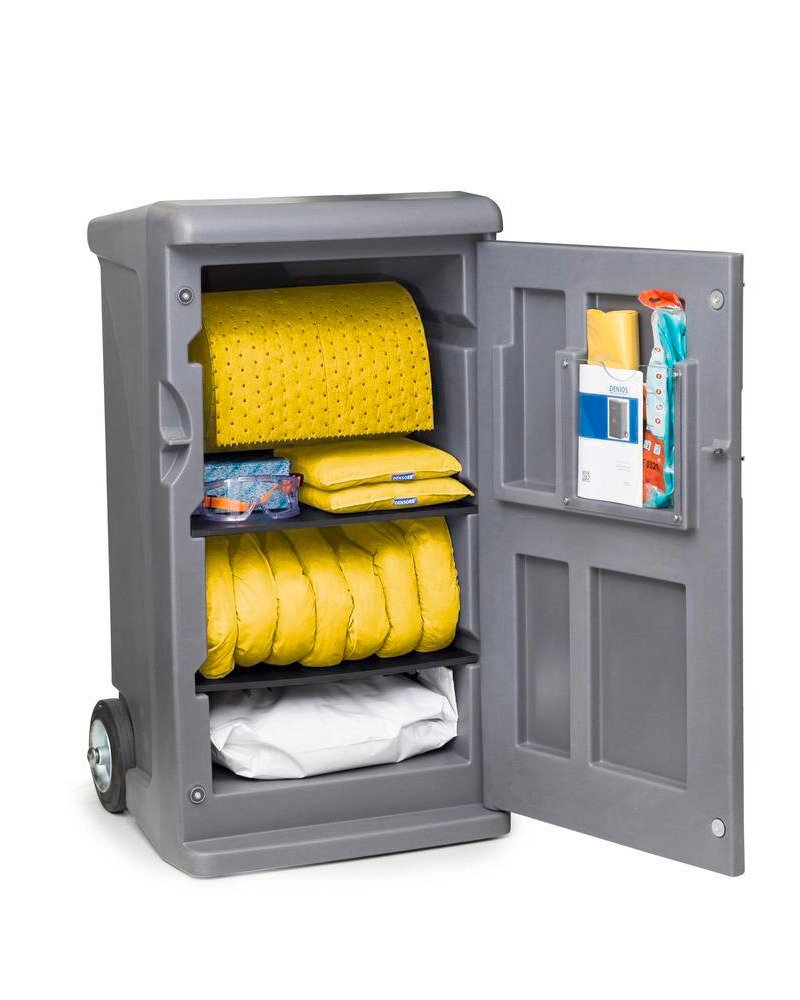
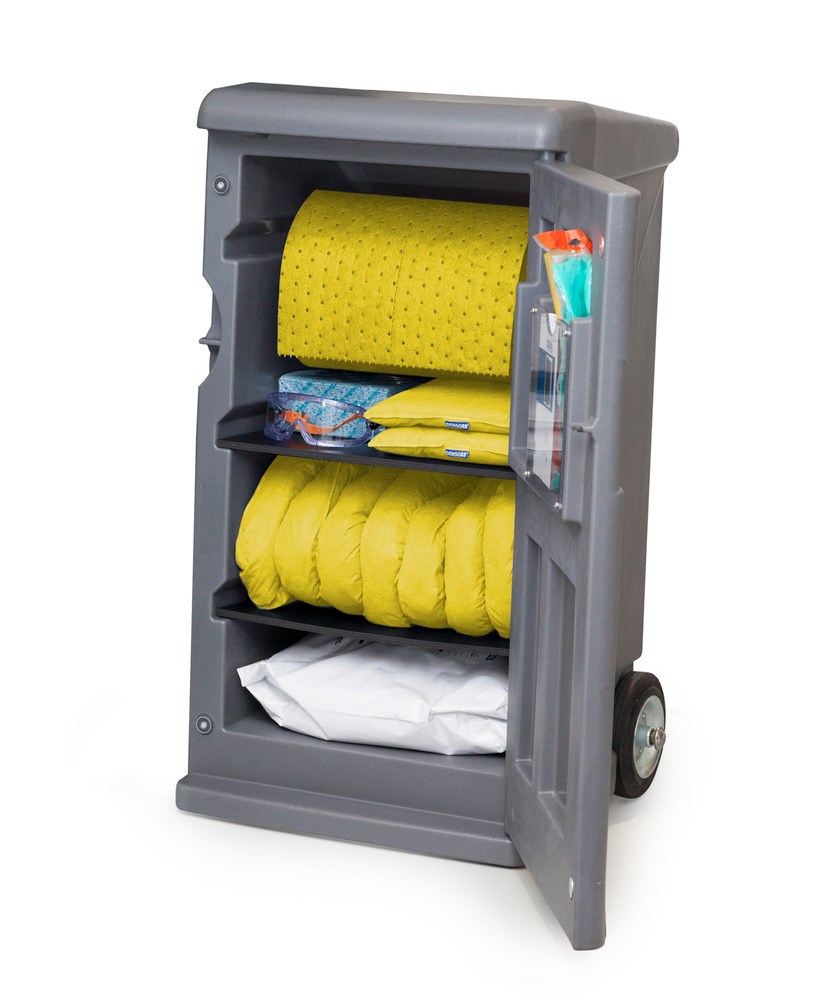
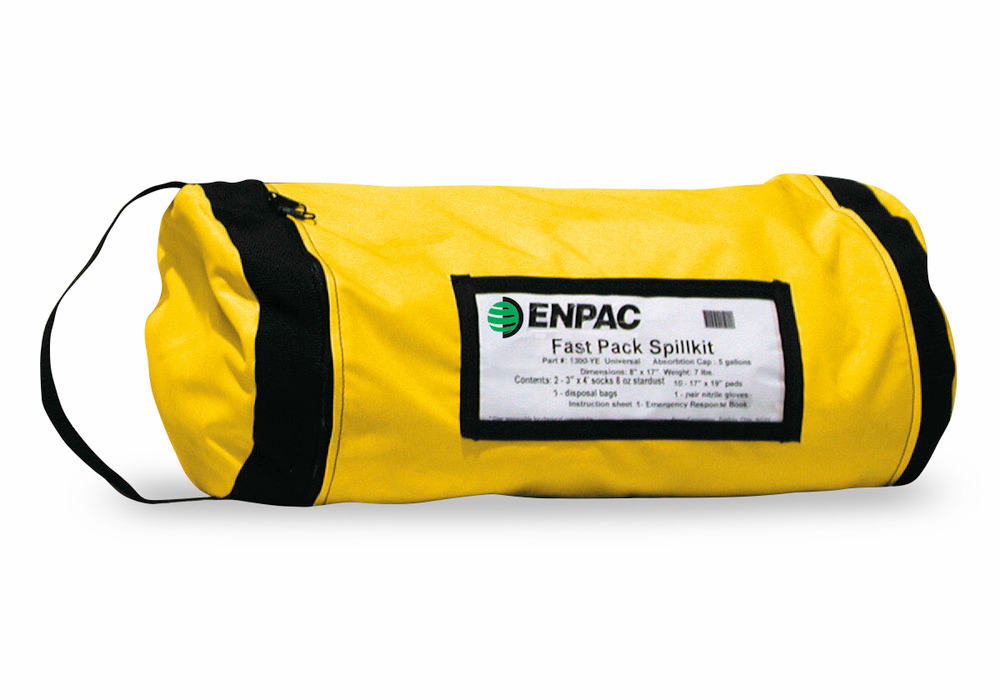
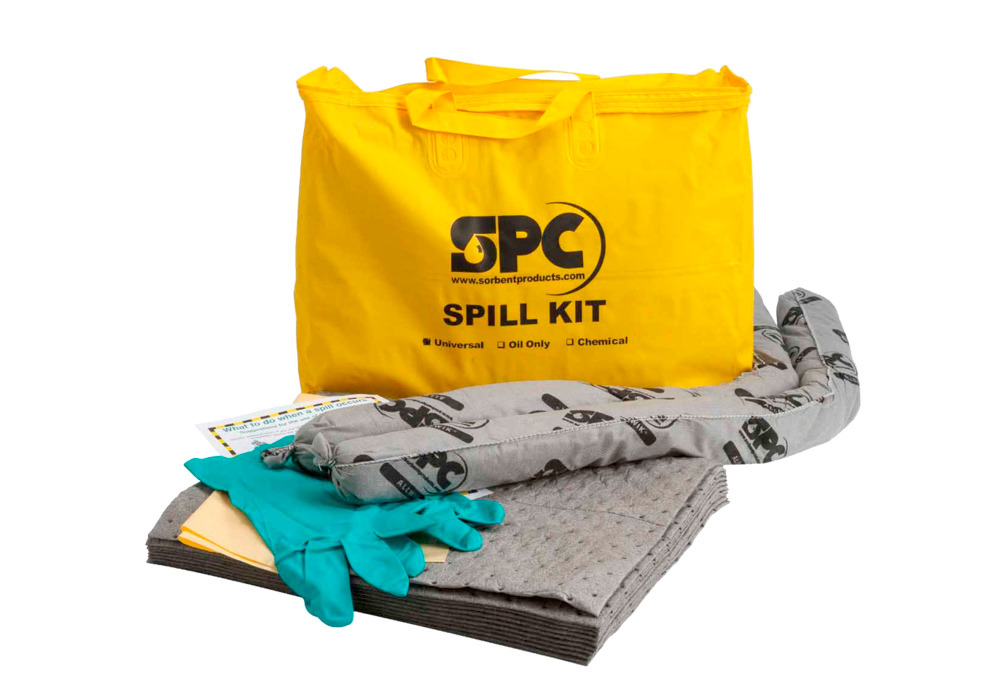
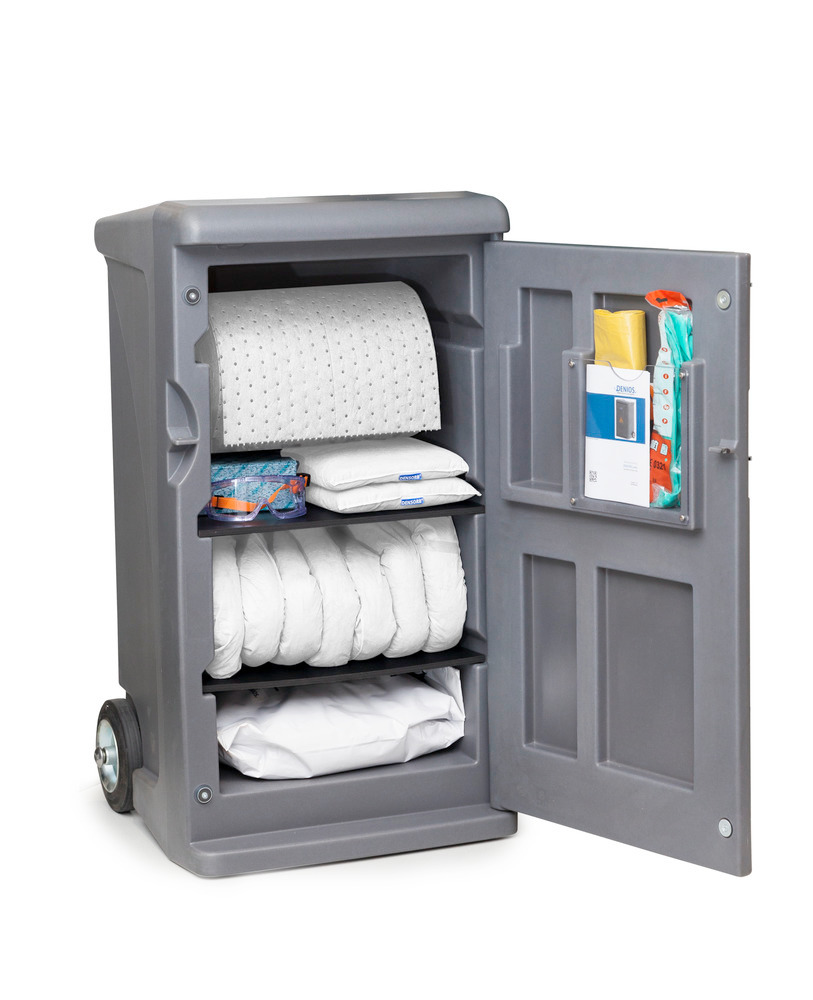
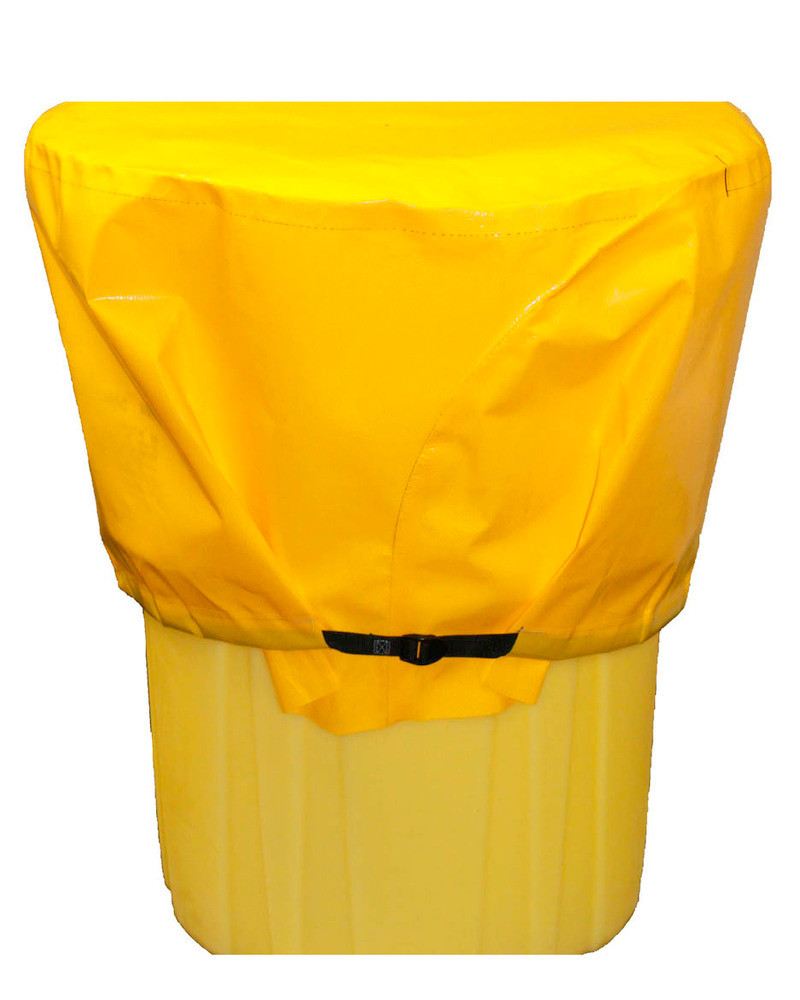
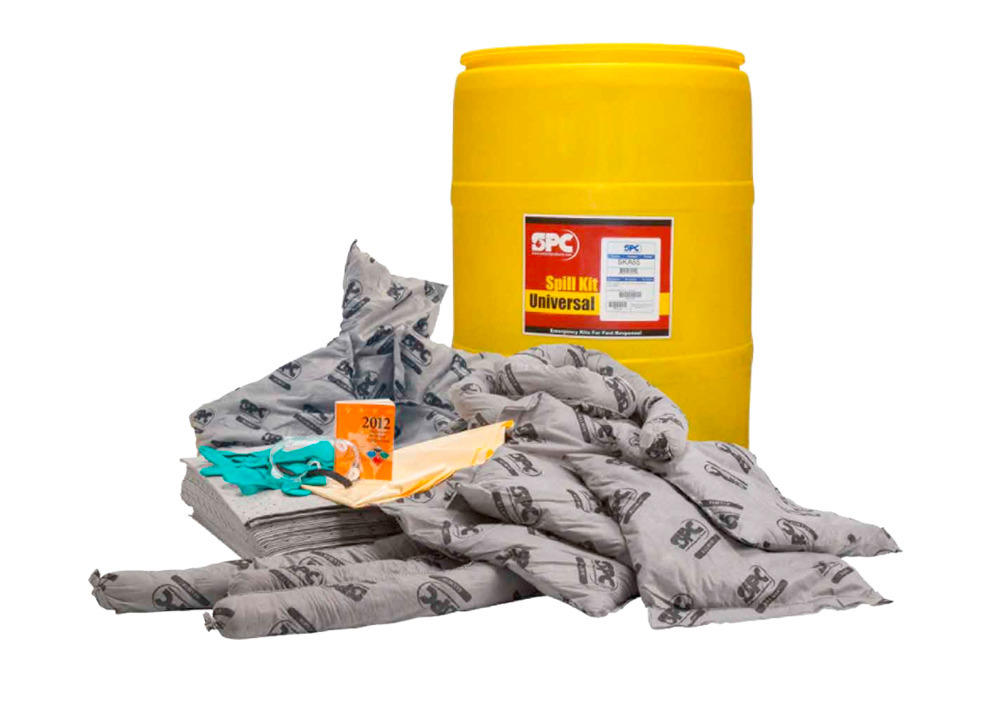
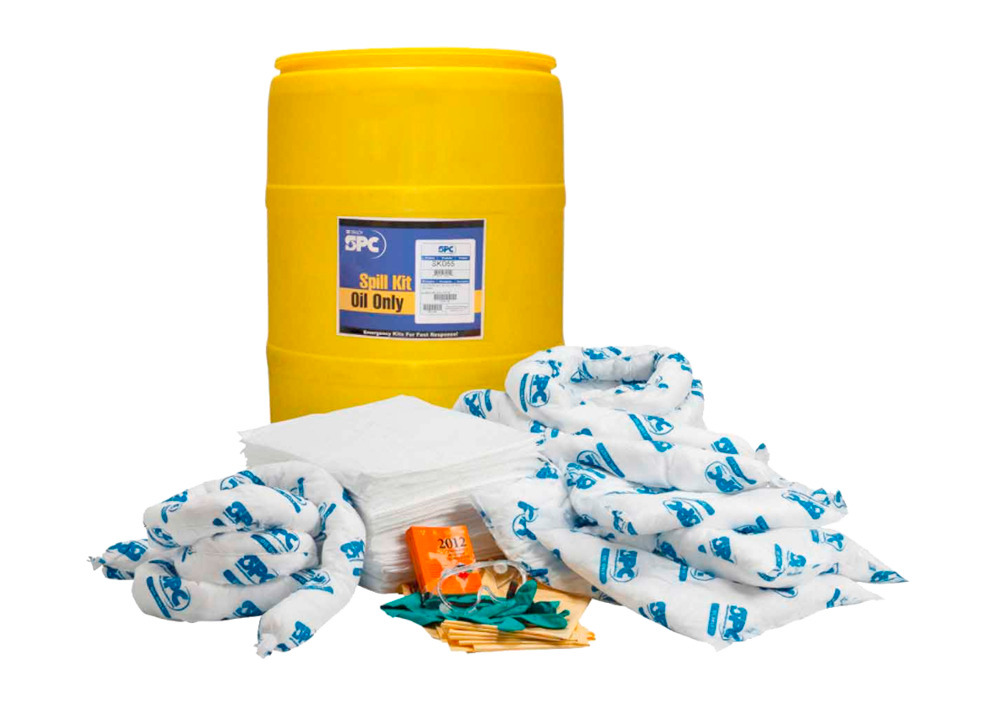
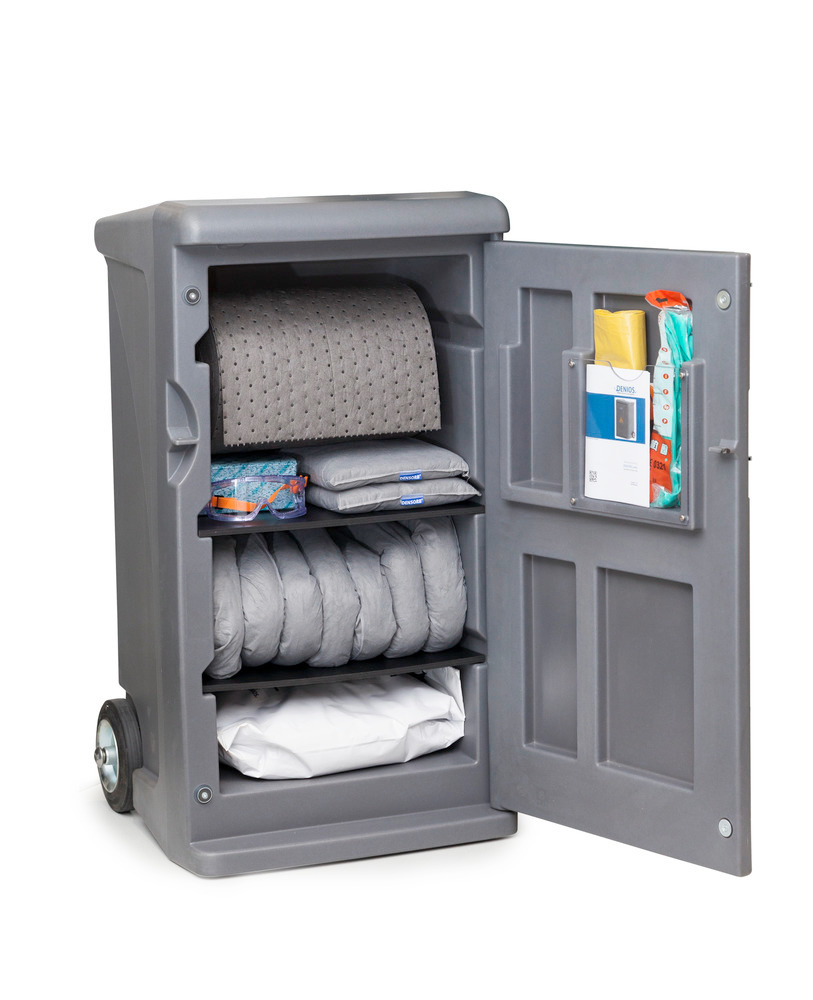
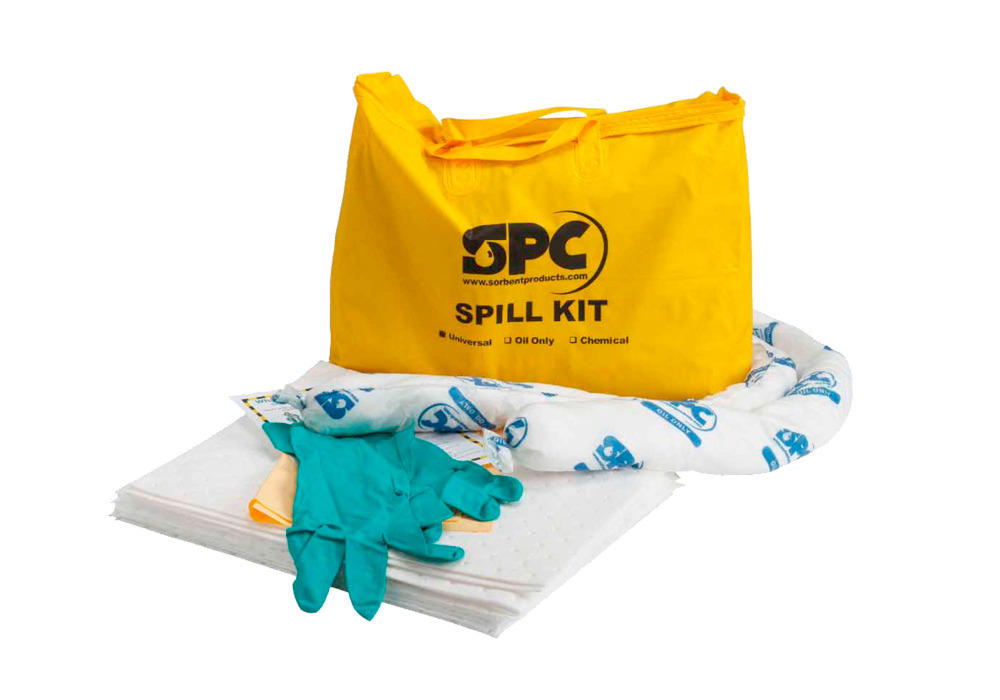
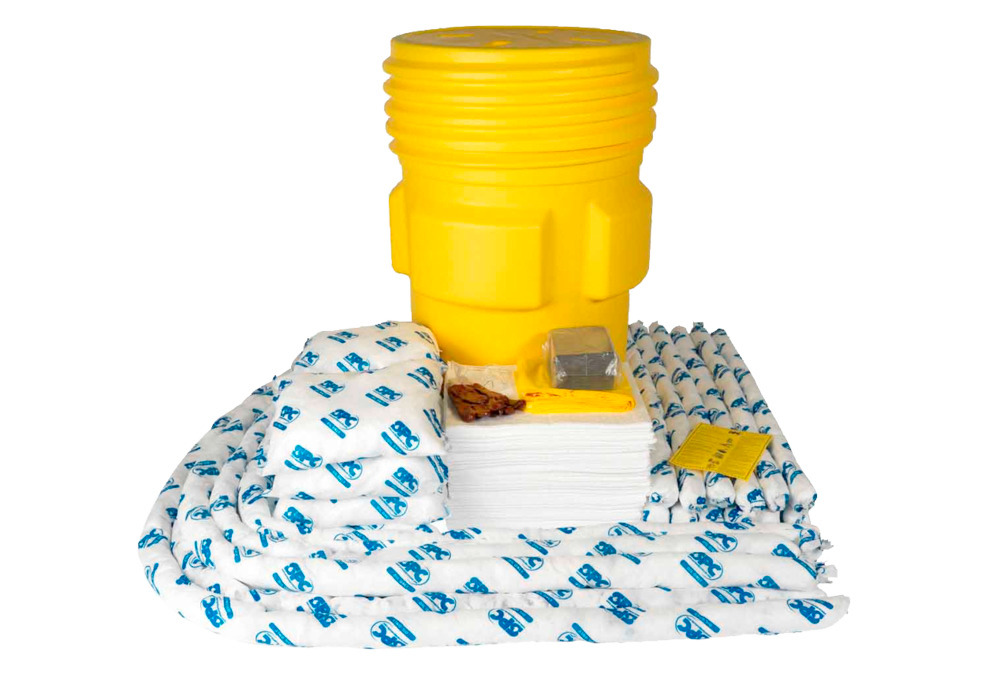
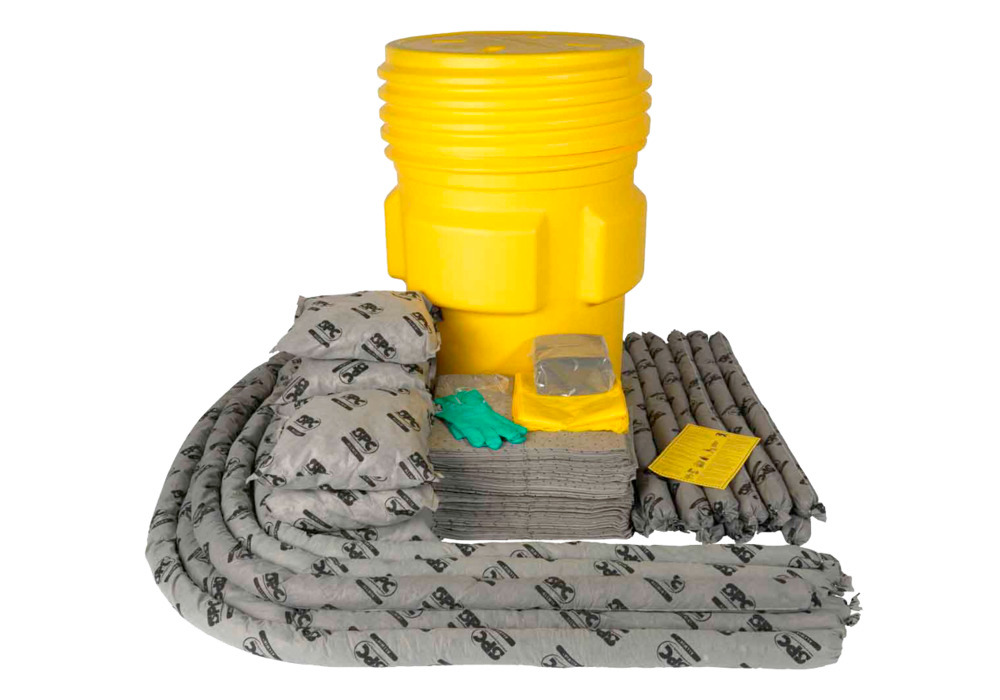
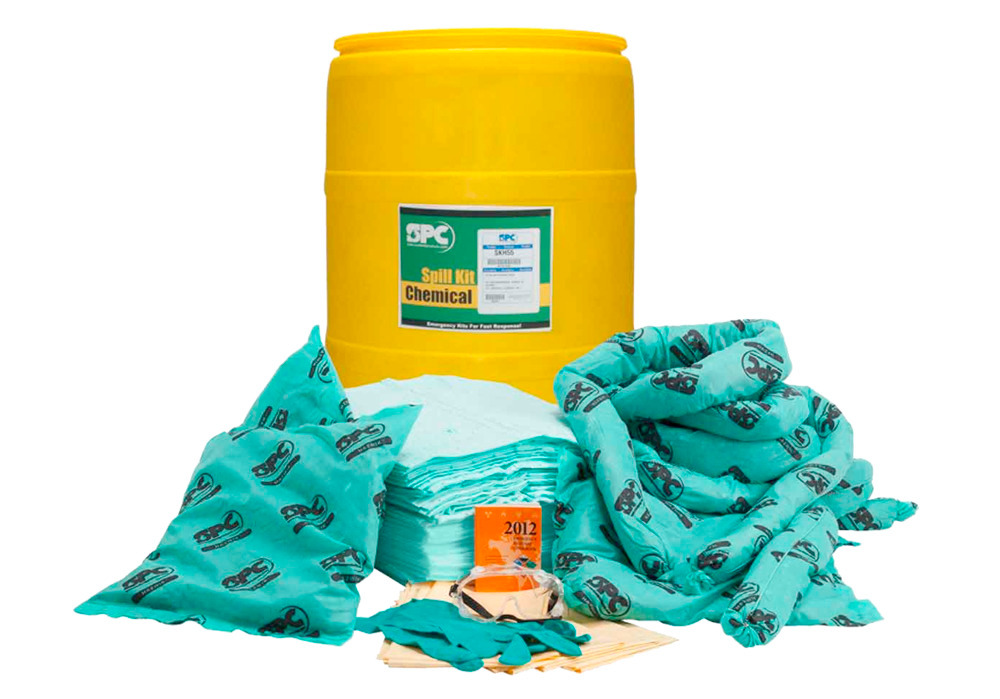
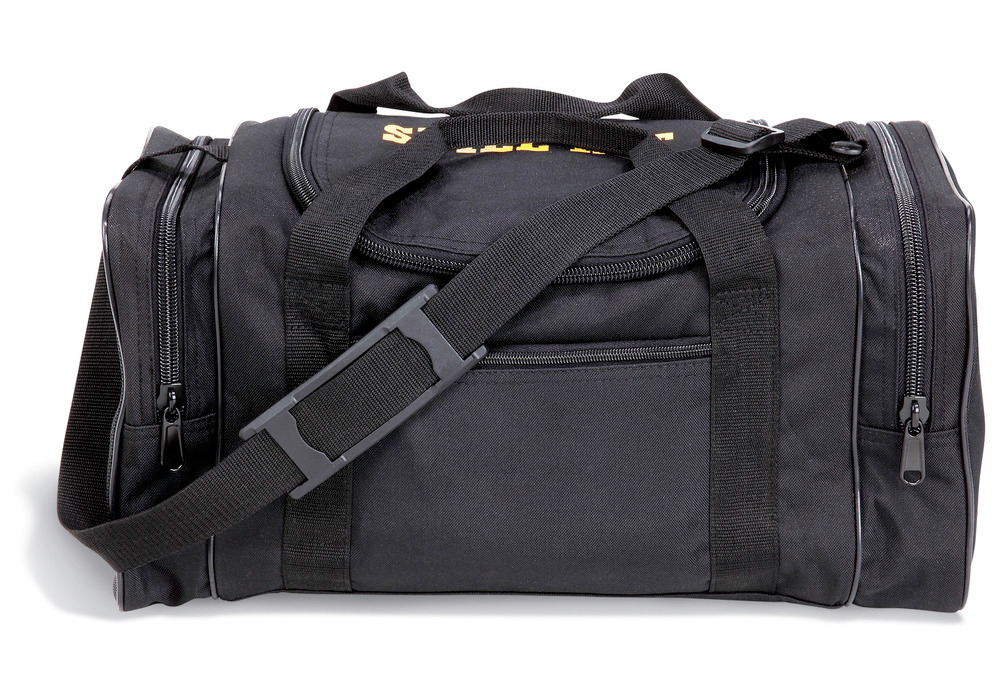
28 from 35 products shown

DENIOS Spill Kits: Prepared for Every Leak or Spill

What are Spill Kits?
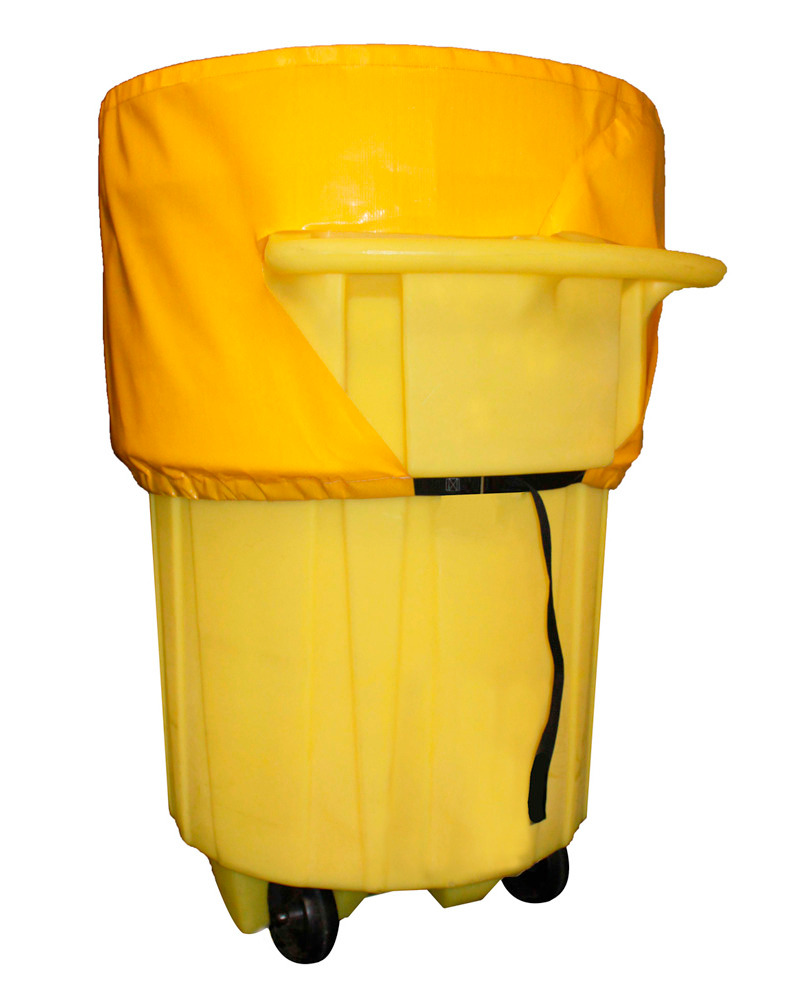
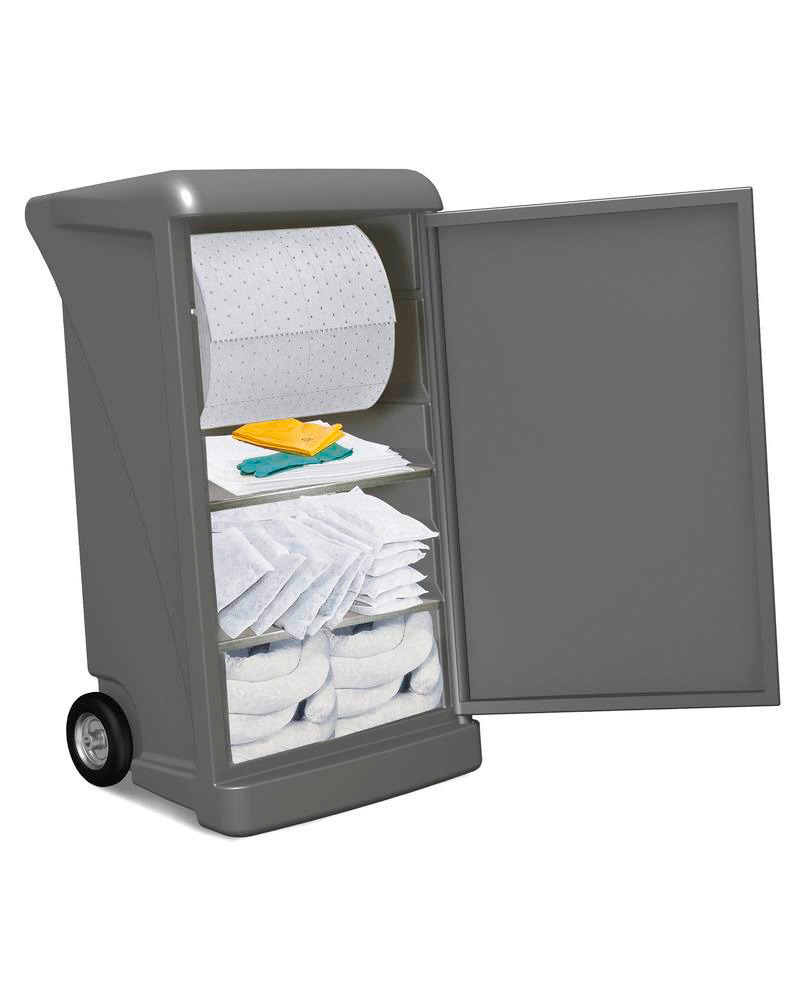
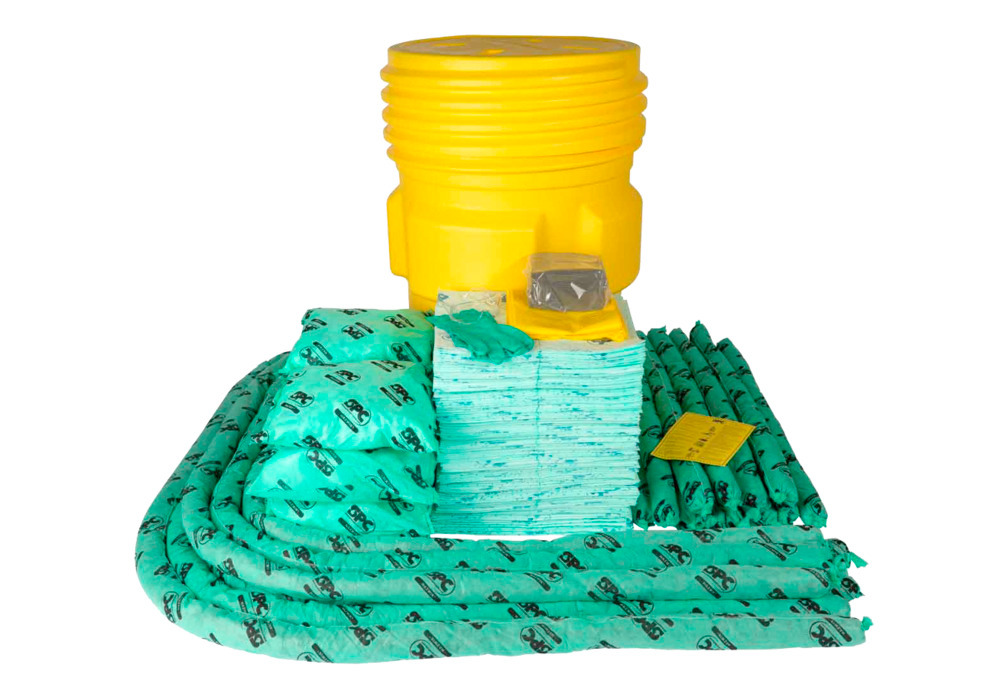
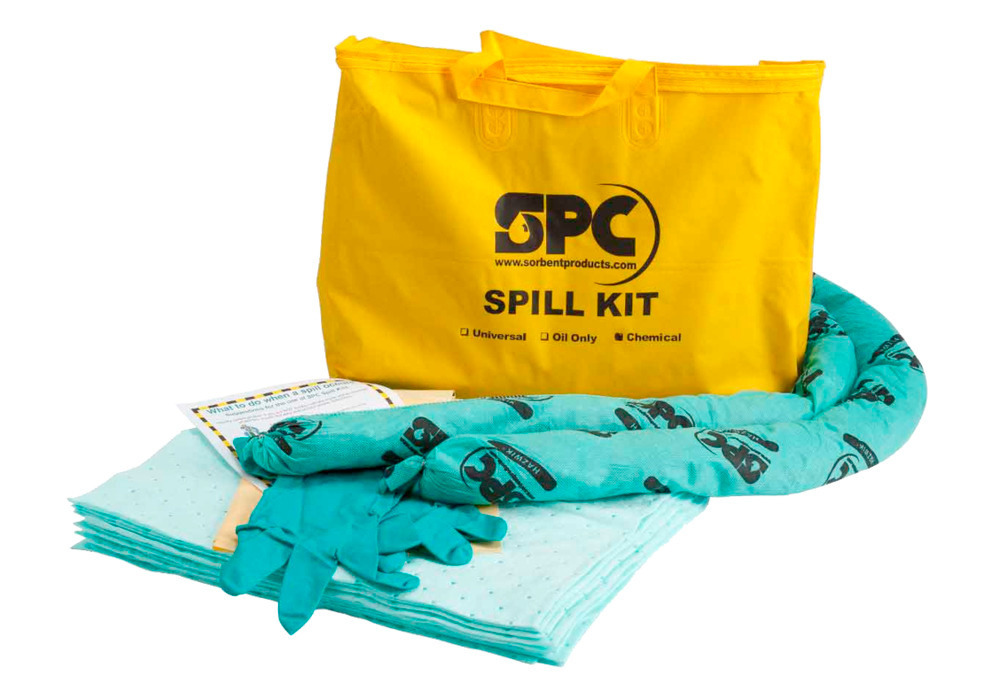
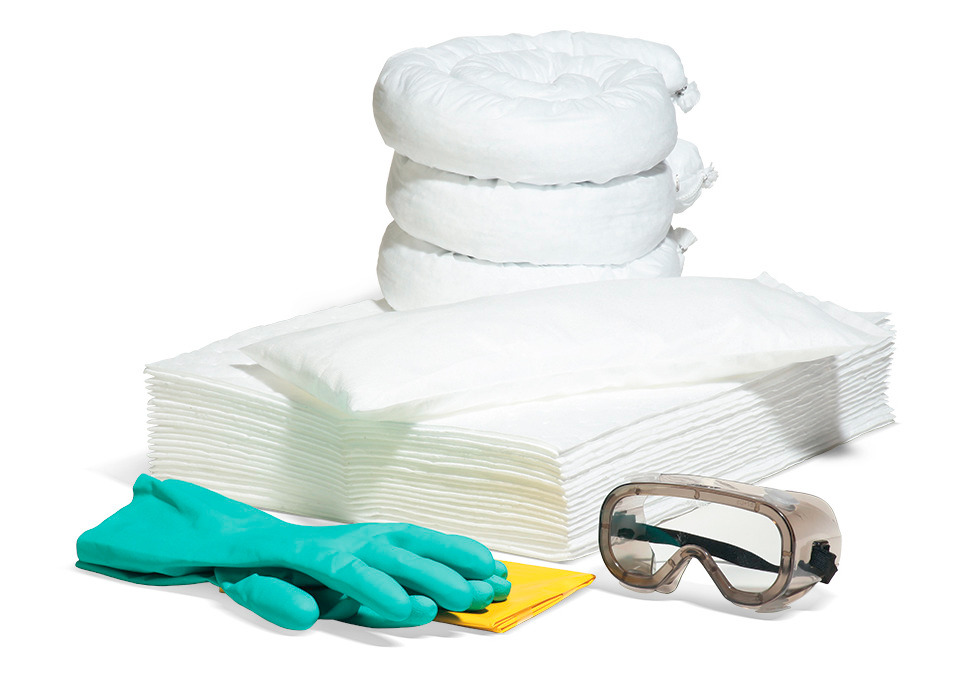
A spill kit is a portable collection of absorbent materials and other equipment designed to help contain and clean up spills of hazardous materials, oils, and other liquids. Spill kits come in various sizes and configurations to address different spill scenarios.
Why Do You Need Spill Kits?
Spills can happen anywhere, at any time. A readily available spill kit allows you to respond quickly and effectively to minimize the damage and prevent the spread of hazardous materials. Spill kits are essential for workplaces that handle or store hazardous chemicals, oils, or other potentially harmful liquids. They can also benefit building owners, property managers, and even homeowners. If you have more questions or need help picking a suitable spill kit, don't hesitate to contact DENIOS today!

Types of Spill Kits Offered by DENIOS
Universal Spill Kits: Designed for general-purpose cleanup of various liquids, including water-based, oil-based, and non-aggressive chemicals.
Oil-Only Spill Kits: Ideal for absorbing oils, fuels, and other hydrocarbons while repelling water.
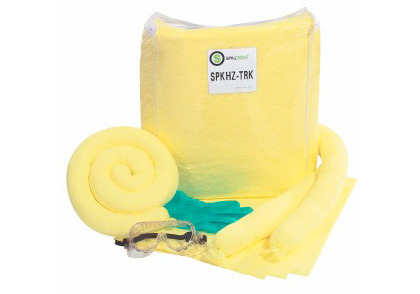
Hazmat Spill Kits: Effective in containing and absorbing various hazardous chemicals, including acids and bases.
In addition to the above, DENIOS also offers:
Refill Kits: This lets you replenish absorbent materials used in your spill kit after a cleanup.

How to Choose the Right Spill Kit
The type of spill kit you need will depend on several factors, including:
The types of liquids you handle or store: Choose a spill kit specifically designed for the liquids you work with.
The size of potential spills: Consider the volume of liquids you typically handle and choose a spill kit with sufficient absorbent capacity.
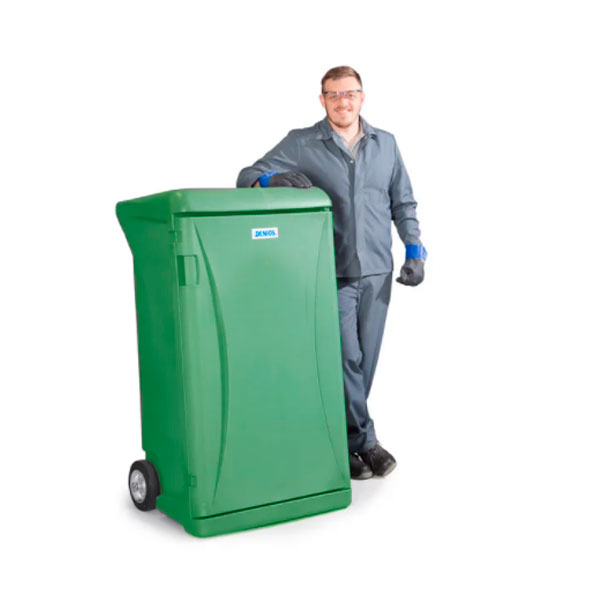
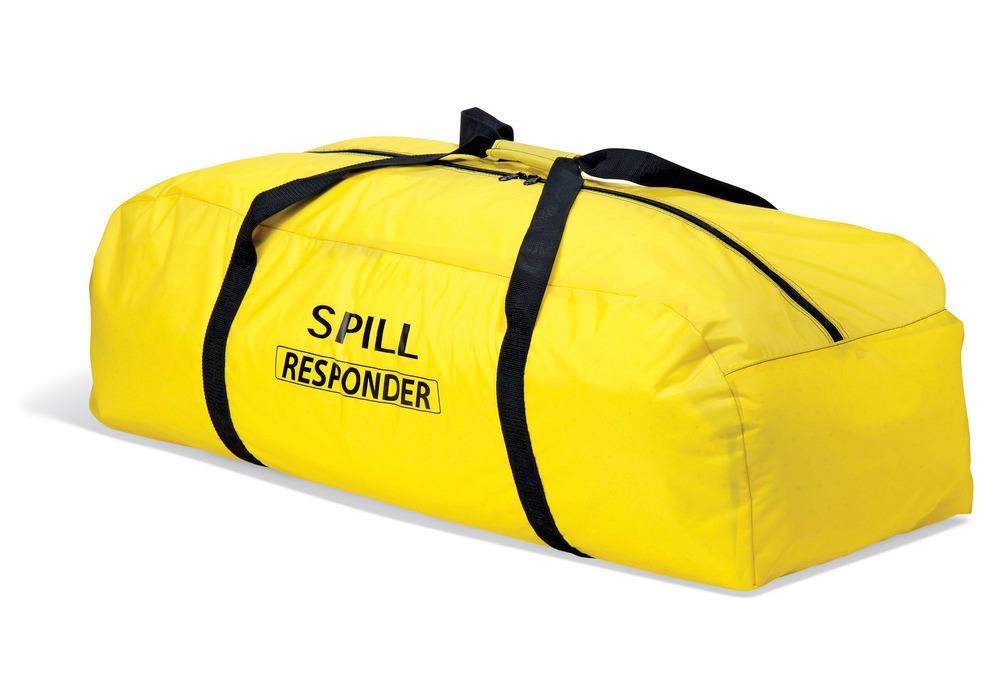
The workspace environment: Opt for a portable spill kit for mobility or a wall-mounted kit for easy access in designated areas.
Frequently Asked Questions about Spill Kits
1. What are the benefits of using spill kits?
Spill kits offer several benefits, including:
Faster response times to spills
Reduced risk of spills spreading and causing further damage
Enhanced safety for personnel cleaning up spills
Improved regulatory compliance for workplaces that handle hazardous materials
2. Do spill kits need to be inspected?
Yes, spill kits should be inspected regularly to ensure all components are present and in good condition. It's recommended to inspect your spill kits monthly and after any use.
3. Do spill kits expire?
Some absorbent materials in spill kits may have a shelf life. However, most spill kits will last for several years if stored properly. Regularly inspecting your spill kits will help identify any expired components that need to be replaced.
4. What is required by OSHA regarding spill kits?
OSHA regulations do not specifically mandate spill kits. However, they do require workplaces to implement measures to control and clean up spills of hazardous materials. Spill kits can be a helpful tool to meet these requirements.
5. How do you use a spill kit?
The proper use of a spill kit will vary depending on the specific kit and the type of spill. However, some general steps include:
Don personal protective equipment (PPE) as specified in the spill kit instructions and safety data sheets (SDS) for the spilled material.
Contain the spill using spill socks or other containment materials provided in the kit.
Absorb the spilled liquid with absorbent pads or mats.
Properly dispose of contaminated materials according to local regulations.
6. How should a spill kit be disposed of?
Once a spill kit is used, the contaminated materials should be disposed of according to local regulations for hazardous waste. The actual spill kit can be refilled with new absorbents.
7. What are some common mistakes people make with spill kits?
Not having the fitting spill kit for the type of liquid they handle
Not inspecting spill kits regularly
Not using proper PPE when cleaning up spills
Improperly disposing of contaminated materials
8. Where should spill kits be located?
Spill kits should be placed in easily accessible locations throughout your workplace.
More Information
- View your order history
- Save shopping list and basket
- Save preferred payment method for future orders
Give us a call or fill out the form and we will get back to you as soon as possible.